


telehealth Therapy in Raleigh, N.C.
Therapy for insomnia, anxiety, and men's wellbeing — available throughout Raleigh and the Triangle

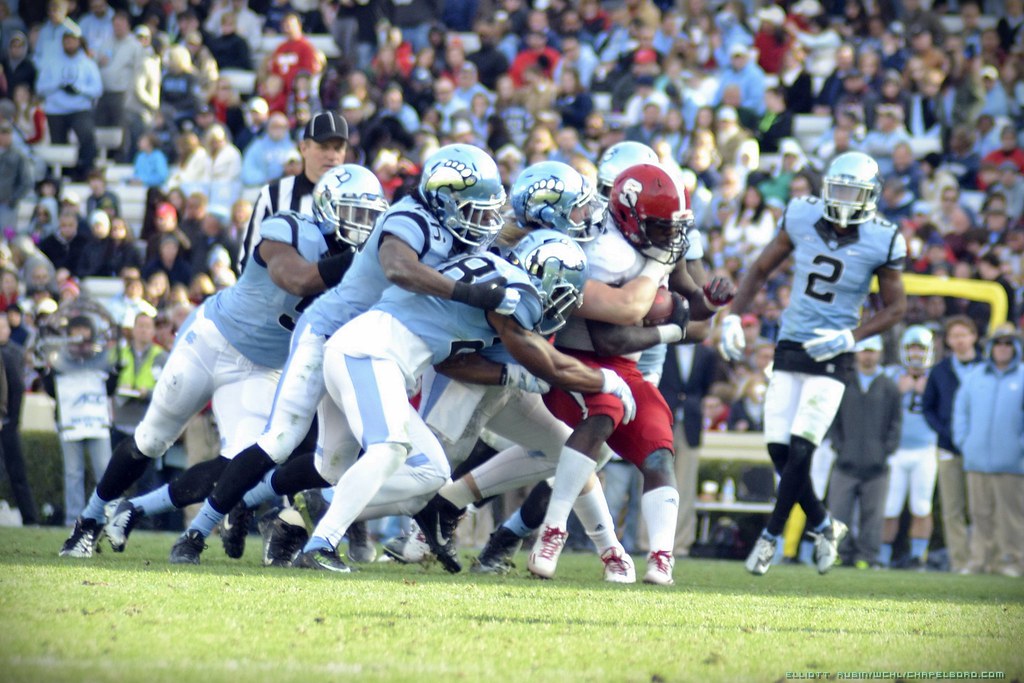
College football season turns Saturdays in the Triangle into an all-day event. Tailgates start before biscuits are baked, kickoffs stretch from noon into prime time, and whether you're pulling for the Tar Heels, the Wolfpack, or the Blue Devils, the emotional stakes of a rivalry can feel entirely disproportionate to a game played by twenty-year-olds you've never met. That disproportion is worth paying attention to — not because the feeling isn't real, but because of what it costs.
Early kickoffs mean early tailgates — a full day of sun, alcohol, and noise before the game even starts. Night games run the other direction, with 7:30 kickoffs that don't end until well past 11, followed by a postgame scroll that pushes bedtime later still. Either way, alcohol suppresses REM sleep and a late, high-arousal evening delays sleep onset. A full season of Saturdays like this adds up to what sleep researchers call social jet lag: a chronic misalignment between your body clock and your actual sleep timing.
I use Cognitive Behavioral Therapy for Insomnia (CBT-I), the gold-standard evidence-based approach, to help clients in Raleigh, Durham, Cary, and Chapel Hill reset their sleep and stabilize the body budget that governs everything downstream. Available throughout the Triangle via telehealth.
